Understanding what DSOs are, how they operate, and their potential benefits and challenges is crucial for dentists, patients, and anyone interested in the future of dental care. DSOs offer administrative support, opportunities for professional development, and increased buying power, but they also face concerns about patient care quality and regulatory oversight. DSOs may be owned by dentists, non-dentists, private equity firms, or other investors. They often have a leadership team responsible for overseeing the operations of multiple affiliated dental practices. Moreover, effective DSO management also enables the company to avoid borrowing unnecessary funds to uphold operations, thus saving on interest expenses.
Why is reducing Days Sales Outstanding important?
- Accounts Receivable automation assists in all of these areas, making receivables management easier and faster than ever.
- Days Sales Outstanding (DSO) is the average number of days taken by a firm to collect payment from their customers after the completion of a sale.
- The higher a company’s DSO, the less access they have to the cash that they are owed.
- It’s important to start understanding your Days Sales Outstanding ratio and how it’s affected by your credit sales.
Days sales outstanding (DSO) refers to the average number of days it takes a company to collect payment for its credit sales. It’s an essential measure to evaluate a business’s https://hammamd.site/contribution-margin-ratio-cmr-how-to-compare-your/ cash flow efficiency and ability to manage its accounts receivable effectively. Days Sales Outstanding (DSO) is a key financial metric used to measure the average number of days a company takes to collect payment after a sale has been made. This indicator helps businesses assess the efficiency of their accounts receivable processes and is critical for maintaining healthy cash flow. It’s a metric that measures the average number of days it takes a company to collect payments on its outstanding credit sales.
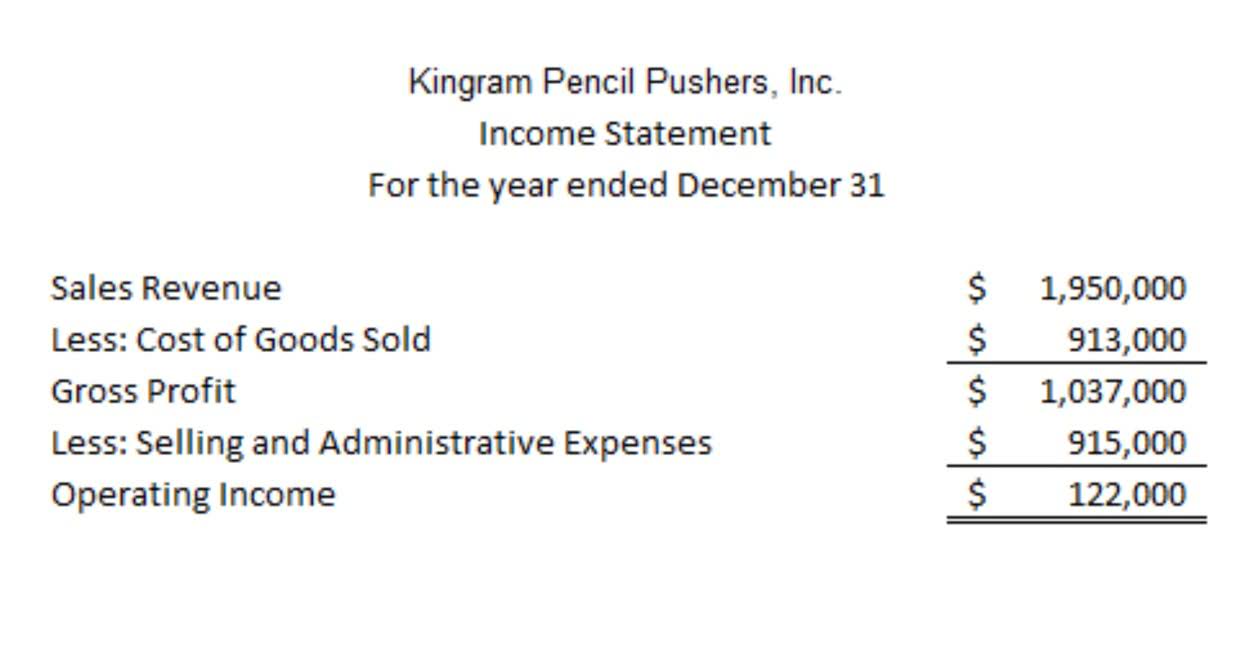
Days Sales Outstanding (DSO) Calculation Example

Understand the financial metric for a company’s average collection period, a key indicator of cash flow efficiency and credit management effectiveness. Days Sales Outstanding (DSO) is a financial metric measuring the average number of days it takes a company to collect customer payments in cash following sales. Days sales outstanding (DSO) is a financial performance unearned revenue metric that measures the average number of days it takes a company to collect payment after making a sale. Days sales outstanding can vary from month to month, and over the course of a year with a company’s seasonal business cycle.
- Diligent management of these factors bolsters overall fiscal resilience and enhances business operational competence.
- Conversely, a shorter operating cycle, due to faster collection of receivables (lower DSO), improves the company’s efficiency and financing flexibility.
- A high DSO indicates that a company sells on credit and takes a long time to collect payments.
- By supporting the business and other nonclinical needs of dental practices, DSOs allow dentists to focus on delivering patient care.
- It suggests that the company’s cash is flowing in at a reasonably efficient rate, ready to be used to generate new business.
Days Sales Outstanding calculation example
Offering multiple payment methods, clear instructions, and even embedded payment links in digital invoices can shave days off your cycle. 1) Offer Incentives – For example, if a customer pays upfront in cash, they get a 10% discount or an offer to save on their next order or renewal. Digging into payment trends helps you identify customers who regularly pay late—so you can address potential issues before they escalate. Incentivize customers to pay sooner with discounts for upfront or early payments—like a small percentage off if they pay within 10 days.
- Generally, a DSO below 45 is considered low, but what qualifies as high or low also depends on the type of business.
- It is crucial for businesses to understand and track their DSO to ensure optimal financial health.
- By monitoring trends in DSO over time and considering alternative metrics like DDSO, businesses can effectively manage their cash flows and make informed decisions based on accurate data.
- It’s useful when you are attempting to analyze the trends in customer payment behavior over time.
- This example demonstrates how businesses can use DSO as a benchmark to improve receivables management and liquidity.
- Days Sales Outstanding (DSO) represents the average number of days it takes credit sales to be converted into cash or how long it takes a company to collect its account receivables.
- In many businesses, the days sales outstanding number can be a valuable indicator of the efficiency of the business and the quality of its cash flow.
- DSO reflects the average time — measured in days — a business needs to collect on the credit-based purchases of its customers after an invoice has been issued.
- While DSO focuses on speeding up cash inflow, DPO aims at delaying outflows to optimize working capital.
- If the number gets too high, it could even disrupt the normal operations of the business, causing its own outstanding payments to be delayed.
Days Sales Outstanding (DSO) is a critical financial metric that provides insights into a company’s effectiveness in collecting payments from its customers. In essence, DSO measures definition of dso the average number of days it takes for a company to receive payment after a sale has been completed. A lower DSO is indicative of efficient receivables management, suggesting that a company is able to collect its outstanding debts quickly, which is essential for maintaining healthy cash flow.